日常节能小常识英语表达和实用技巧在全球环保意识日益增强的今天,掌握日常节能小常识并通过英语准确表达,不仅能帮助我们践行绿色生活,还能在国际交流中传递环保理念,以下从家居、办公、出行、饮食等多个维度,结合英语表达和具体案例,详细介绍日常节能方法,并通过表格形式总结关键点,最后附相关问答。
家居节能小常识
家居能耗是日常节能的重点领域,通过调整生活习惯和优化设备使用,可显著降低能源消耗。
- 照明优化:将传统白炽灯更换为LED灯(LED bulbs),其能耗仅为白炽灯的10%,寿命却延长25倍,英语表达为“Replace incandescent bulbs with LED bulbs to reduce energy consumption by up to 90%.” 随手关灯(Turn off lights when leaving a room)是最简单的节能习惯,尤其对于长时间不使用的房间,如储藏室(storeroom)或卫生间(bathroom)。
- 家电使用技巧:冰箱(refrigerator)应定期清理灰尘(clean dust coils),保持散热效率,温度设置建议在冷藏室3-5°C(freezer at -18°C),洗衣机(washing machine)尽量满载运行(run full loads),并选择冷水洗涤(wash clothes in cold water),因90%的洗衣机能耗用于加热水,空调(air conditioner)温度设定在26°C以上,配合使用风扇(fan)可增强空气循环,减少压缩机运行时间。
- 减少待机能耗:电器待机状态仍会消耗“幽灵能耗”(phantom energy),使用智能电源插座(smart power strips)在不用时切断电源,英语表达为“Unplug electronics or use power strips to eliminate phantom energy drain.”
- 节水与节能:安装节水龙头(water-saving faucets)和淋浴头(low-flow showerheads),减少热水使用量,修复漏水的水龙头(leaky faucets),一个滴水的水龙头每天浪费约15升水,相当于增加热水器的工作负荷。
办公节能小常识
办公室作为日常工作的主要场所,通过集体行动可实现可观的节能效果。
- 设备管理:电脑(computers)设置自动休眠模式(enable sleep mode),长时间不用时彻底关闭(shut down completely),打印机(printers)和复印机(copiers)启用双面打印(double-sided printing)功能,减少纸张消耗,英语表达为“Set printers to default duplex mode to save paper and energy.”
- 自然光利用:白天优先使用自然光(natural light),调整窗帘(blinds)和百叶窗(shutters)减少对人工照明的依赖,研究表明,自然光不仅能节能,还能提高员工工作效率(improve employee productivity)。
- 空调与通风:下班前关闭空调(turn off AC after work),定期清洁空调滤网(clean AC filters),确保空气流通效率,会议室(meeting rooms)使用后及时关闭灯光和设备,避免“长明灯”现象。
出行节能小常识
交通出行是碳排放的主要来源之一,通过绿色出行方式可减少能源消耗。
- 公共交通优先:选择公交(bus)、地铁(subway)或火车(train)等公共交通工具,英语表达为“Use public transportation to reduce carbon footprint.” 拼车(carpooling)也是不错的选择,可分享燃料成本(fuel costs)和减少车辆数量。
- 绿色驾驶习惯:若需驾车,保持合理胎压(maintain proper tire pressure),可提高燃油效率(fuel efficiency)3%,避免急加速和急刹车(avoid sudden acceleration and braking),匀速行驶(drive at a steady speed)能减少油耗。
- 步行与骑行:短距离出行优先选择步行(walking)或骑行(cycling),既节能又健康,英语表达为“Opt for walking or cycling for short trips to save energy and stay healthy.”
饮食节能小常识
饮食环节的节能常被忽视,但其实蕴含巨大潜力。
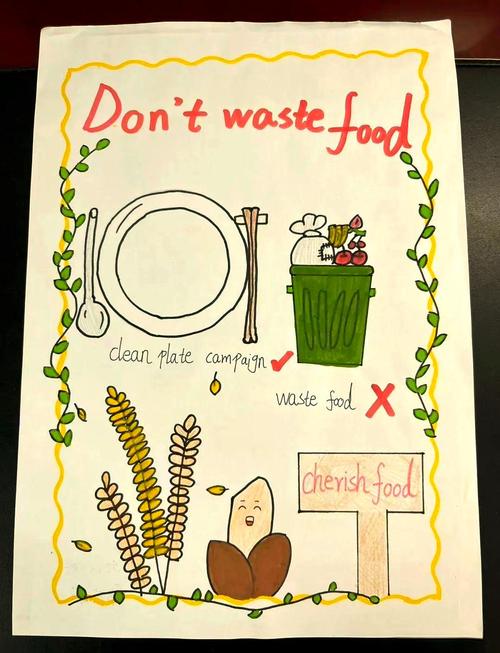
- 减少食物浪费:按需购买 groceries,合理储存食物(store food properly),英语表达为“Plan meals to avoid food waste, as producing food consumes significant energy.” 剩余食物可制作成剩菜(leftovers)或堆肥(compost)。
- 节能烹饪方式:使用节能锅具(energy-efficient cookware),如高压锅(pressure cooker)可缩短烹饪时间(reduce cooking time),微波炉(microwave)比烤箱(oven)更节能,适合加热小份食物。
- 选择本地食材:购买本地和季节性食材(local and seasonal produce),减少运输过程中的能源消耗,英语表达为“Buy local food to reduce energy used in transportation and storage.”
日常节能关键点总结表
| 领域 | 节能措施 | 英语表达 | 节能效果 |
|---|---|---|---|
| 照明 | 使用LED灯,随手关灯 | Use LED bulbs and turn off lights when not needed | 减少90%能耗 |
| 家电 | 满载使用洗衣机,冷水洗涤 | Run washing machines full loads with cold water | 减少80%热水能耗 |
| 待机能耗 | 使用智能电源插座 | Use smart power strips to eliminate phantom energy | 减少5%-10%家庭用电 |
| 出行 | 公共交通或拼车 | Use public transport or carpooling | 减少50%碳排放 |
| 饮食 | 减少食物浪费,选择本地食材 | Avoid food waste and buy local produce | 减少20%-30%食物链能耗 |
相关问答FAQs
Q1: How can I reduce energy consumption in my daily routine without spending much money?
A: You can adopt low-cost habits such as turning off lights and unplugging unused devices, using natural light during the day, washing clothes in cold water, and taking shorter showers. These small changes require minimal investment but can significantly reduce energy use over time.
Q2: What are some energy-saving tips for office workers?
A: Office workers can save energy by enabling sleep mode on computers, printing double-sided, using natural light whenever possible, turning off lights and equipment after work, and encouraging colleagues to join energy-saving initiatives. Collective efforts in the workplace can lead to substantial energy savings.
通过掌握这些日常节能小常识的英语表达和实践方法,每个人都能为环保事业贡献力量,同时降低生活成本,实现可持续发展,节能不仅是一种习惯,更是一种对地球未来的责任。