安全用电常识报告
electricity is an essential part of modern life, but improper use can lead to serious accidents, including electric shocks, fires, and even fatalities. To ensure the safety of individuals and property, it is crucial to understand and follow basic electrical safety guidelines. This report provides a comprehensive overview of common electrical safety knowledge, covering key areas such as personal protection, household electrical safety, outdoor electrical safety, and emergency response measures.
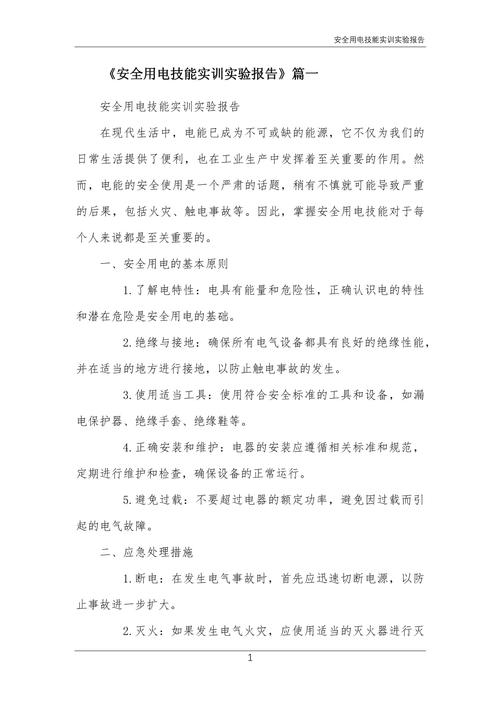
Personal protection is the first line of defense against electrical hazards. When working with electricity or near electrical equipment, always wear appropriate personal protective equipment (PPE), such as rubber-soled shoes, insulated gloves, and safety goggles. Avoid using metal ladders or tools near power lines, as metal conducts electricity and can cause severe shocks. Before performing any electrical work, always turn off the power at the circuit breaker and use a voltage tester to confirm that the power is off. Never touch electrical equipment with wet hands, as water increases the risk of electric shock. Additionally, keep electrical cords away from heat sources, water, and sharp edges to prevent damage to the insulation, which can expose live wires.
Household electrical safety requires attention to detail and regular maintenance. Check electrical cords and plugs regularly for signs of wear, such as fraying, cracking, or exposed wires. Replace damaged cords immediately instead of attempting to repair them with tape. Overloading electrical outlets is a common cause of fires, so avoid using too many high-wattage appliances on a single circuit. Use power strips with surge protectors to protect sensitive electronics from voltage spikes, but do not daisy-chain power strips, as this can still lead to overloading. Install ground fault circuit interrupters (GFCIs) in areas where water is present, such as kitchens, bathrooms, and outdoor outlets, as these devices can quickly shut off power in the event of a ground fault, preventing serious shocks. Ensure that smoke detectors are installed in key areas of the home and test them monthly to ensure they are functioning properly.
Outdoor electrical safety is equally important, as outdoor environments pose unique risks. When using electrical tools or appliances outdoors, always use extension cords rated for outdoor use, which are designed to withstand moisture and temperature changes. Keep electrical equipment away from pools, sprinklers, and other water sources to prevent electrocution. Before trimming trees or shrubs, check for overhead power lines and maintain a safe distance of at least 10 feet. If a power line falls on your property, stay inside and call the utility company immediately; do not attempt to move the line or touch any objects near it. When using electric grills or other outdoor cooking appliances, place them on a stable, level surface away from flammable materials and never leave them unattended.
Emergency response measures are critical in the event of an electrical accident. If someone experiences an electric shock, do not touch them directly, as the electricity can pass through to you. Instead, turn off the power source at the circuit breaker or unplug the appliance if it is safe to do so. If the person is in contact with a live wire, use a non-conductive object, such as a wooden broom or dry rubber mat, to separate them from the source. Call emergency services immediately and provide first aid if you are trained to do so. In the event of an electrical fire, use a Class C fire extinguisher, which is designed for electrical fires, and never use water, as water can conduct electricity and worsen the fire. Evacuate the area immediately and call the fire department if the fire cannot be contained quickly.
To summarize key safety practices, the following table outlines common electrical hazards and preventive measures:
| Electrical Hazard | Preventive Measure |
|---|---|
| Overloaded outlets | Avoid using too many high-wattage appliances on a single circuit; use power strips with surge protectors. |
| Damaged cords or plugs | Replace damaged cords immediately; do not use tape to repair frayed wires. |
| Water near electricity | Keep electrical equipment away from water; use GFCIs in wet areas. |
| Use of metal ladders | Use fiberglass or wooden ladders near power lines; maintain a safe distance. |
| Unattended electrical appliances | Turn off and unplug appliances when not in use; never leave cooking appliances unattended. |
In conclusion, electrical safety is a shared responsibility that requires awareness, caution, and proper maintenance. By following the guidelines outlined in this report, individuals can significantly reduce the risk of electrical accidents and create a safer living environment. Regularly inspecting electrical equipment, using appropriate PPE, and knowing how to respond in emergencies are essential practices for preventing injuries and property damage. Remember, when in doubt, consult a qualified electrician to address any electrical concerns or issues.
FAQs
-
问:如果发现有人触电,我应该立即采取什么措施?
答:确保自身安全,不要直接触碰触电者,以免电流传导,立即切断电源(如关闭总闸或拔掉插头),或用干燥的木棍、塑料等绝缘物将触电者与电源分离,同时拨打急救电话(120),并在专业医护人员指导下进行急救,如心肺复苏(CPR),切勿在未断电的情况下施救。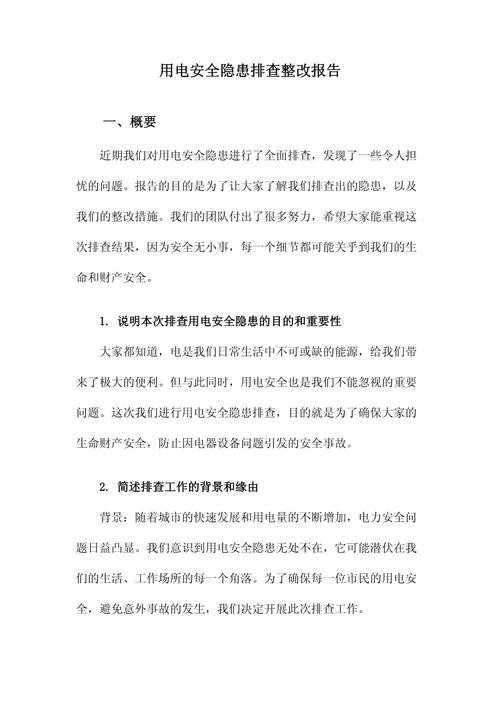 (图片来源网络,侵删)
 -
问:如何判断家中电路是否存在过载风险? 答: 以下迹象可能表明电路过载:频繁跳闸、插座或插头发热、电器运行异常、出现烧焦气味,检查是否在同一插座上同时使用多个高功率电器(如空调、电暖器、微波炉),并确保总用电功率不超过电路额定值,建议分摊电器使用,安装漏电保护器,并请专业电工检查电路容量,必要时进行升级改造。